What Employees Should Know About Third-Party Workplace Injury Claims
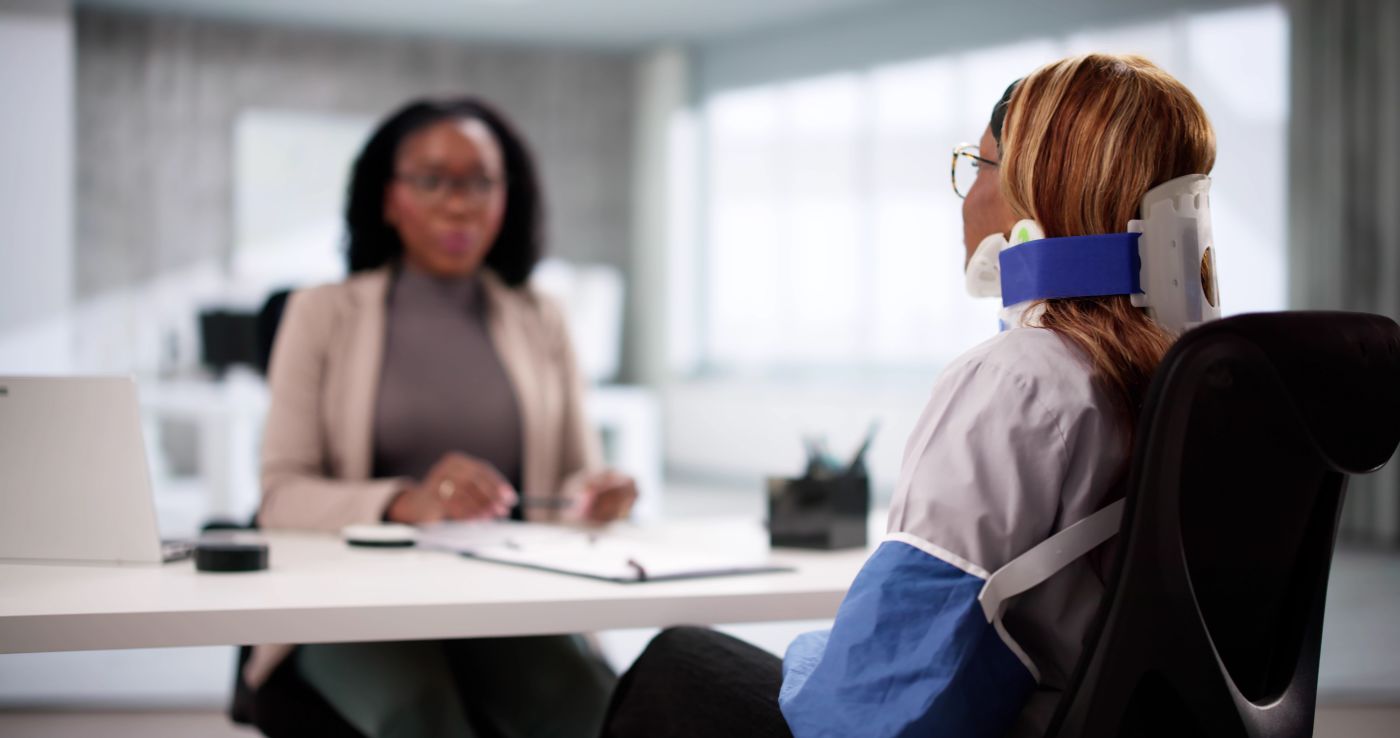
If you've been hurt on the job, chances are the first thing you heard was to file a workers' compensation claim. That's an important first step, but it may not be your only option. Many workplace accidents involve another person or company whose negligence contributed to the injury.
When that happens, you may be able to pursue a third-party personal injury claim in addition to receiving workers' compensation benefits. This potentially allows you to recover damages that workers' comp alone doesn't cover.
At Briegel Whiteley Moon, we represent injured workers in both workers' compensation and personal injury cases, providing our clients with a comprehensive view of their legal options. From our office in Union, Missouri, we proudly serve clients throughout the city and its surrounding communities. Contact us today for a free consultation.
Workers' compensation and third-party claims serve different purposes. Workers' compensation is a no-fault system, so you don't have to prove your employer caused your injury. If you were hurt while doing your job, you may receive benefits for medical expenses and partial lost wages. In return, Missouri law generally prevents you from suing your employer for the injury.
A third-party claim is a personal injury lawsuit against someone other than your employer whose negligence caused or contributed to the accident. Unlike workers' compensation, it may allow you to recover damages for pain and suffering, full lost wages, and other losses.
Our experienced personal injury and workers' compensation attorneys can review the details of your accident, determine whether a third party may share liability, and help you pursue both claims in the way that yields the strongest possible outcome.
The at-fault party doesn't have to be a stranger to your job site. Common examples we see include:
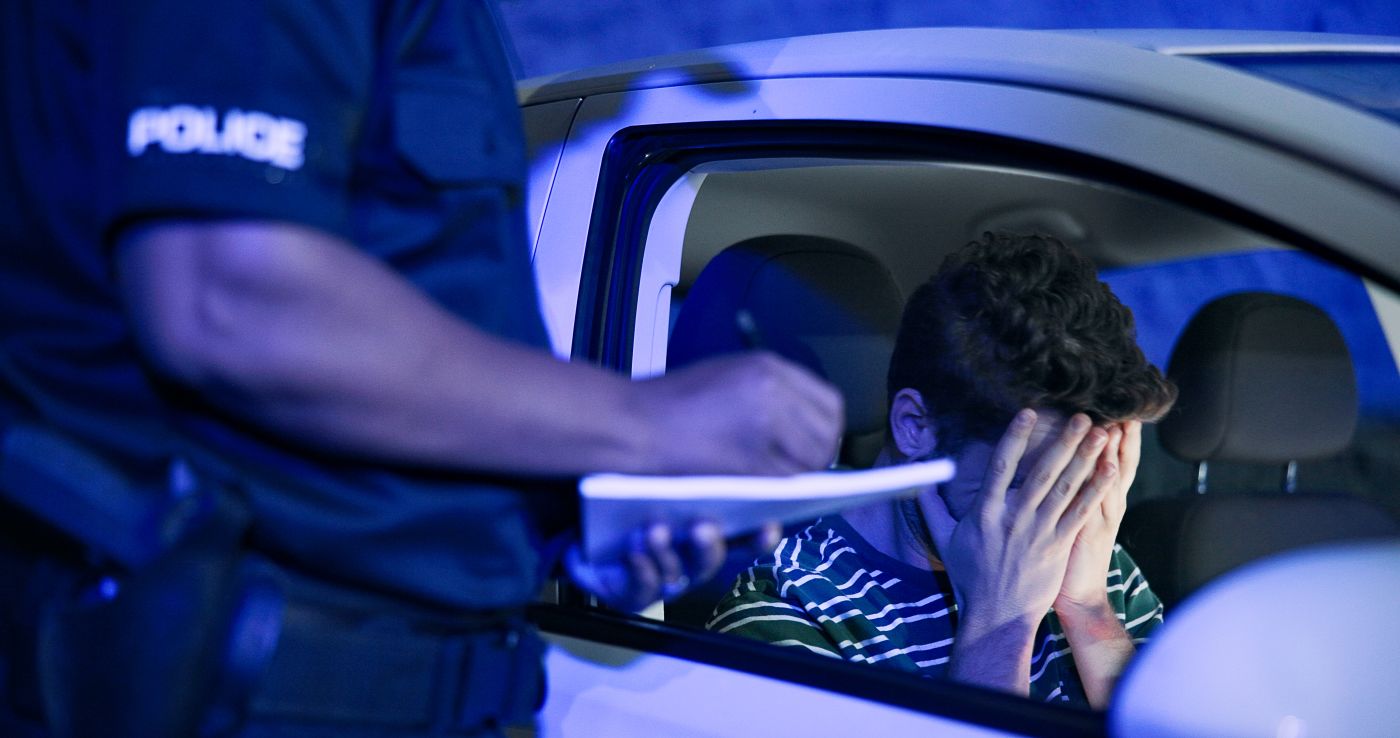
A driver in a car or truck accident: If you were injured in a vehicle collision while working (making deliveries, traveling between job sites, driving for a client), the other driver may be liable.
A subcontractor or another company's employee: On multi-employer worksites like construction projects, workers from a different company may cause an accident that injures you.
A property owner: If you were injured while working on someone else's premises due to a hazard they knew about and failed to fix, they may share responsibility.
An equipment or product manufacturer: Defective machinery, power tools, or safety equipment can lead to product liability claims separate from workers' comp.
A vendor or delivery driver: Anyone who isn't your direct employer, but who acted negligently on or near your worksite.
If any of these situations sound familiar, our lawyers will review your case and help you sort out whether a third party may be involved. The line between "just a work injury" and "a work injury someone else caused" isn't always obvious from the outside. That is exactly why we see so many third-party claims go unrecognized until we take a closer look.
A third-party claim isn't a no-fault system, and you have to prove the other party was negligent. That generally means establishing four things:
Duty: The third party owed you some duty of care (a driver's duty to obey traffic laws, a property owner's duty to maintain safe premises, a manufacturer's duty to build a safe product).
Breach: They failed to meet that duty, whether through carelessness, a shortcut, or ignoring a known hazard.
Causation: Their breach directly caused your accident and injury, not some unrelated factor.
Damages: You suffered real, documented harm as a result: medical bills, lost income, physical pain, or long-term impairment.
Building this kind of case usually takes more than your word against theirs. We look at incident reports, photographs, equipment maintenance records, surveillance footage, witness statements, and sometimes expert analysis (an accident reconstructionist or an engineer, for example) to determine what actually happened and who is responsible.
A lot of injured workers assume that if they made any mistake at all, they've lost their right to pursue a third-party claim. Missouri follows a "pure comparative fault" rule, which means you can still recover compensation even if you share some of the blame for what happened. Your award is simply reduced by your percentage of fault.
If a delivery driver hit you but you were also partly at fault, for example, you could still recover a meaningful portion of your damages. Insurance companies often try to inflate an injured worker's share of fault to reduce what they have to pay, which is another reason it helps to have someone review the evidence on your behalf.
This is where a third-party claim differs from workers' compensation. Workers' comp is designed to cover a portion of your medical bills and a percentage of your lost wages, but it doesn't compensate you for pain and suffering. Also, there is usually a cap on what you can receive. A third-party claim isn't bound by those same limits. Depending on the facts of your case, compensation may include:
Past and future medical expenses related to the injury
Complete lost wages, not just a partial wage-replacement percentage
Loss of future earning capacity, if the injury affects your ability to work long-term
Pain and suffering and emotional distress
Permanent disability or disfigurement
Loss of enjoyment of life
This broader scope of damages is often the biggest reason it's worth finding out whether a third party was involved in your accident.
One of the most common misconceptions we encounter is that filing for workers' comp cancels out the right to pursue a third-party claim, but that's not true. Under Missouri law, an injured worker can typically collect workers' compensation benefits and pursue a third-party lawsuit for the same injury. These claims run on separate tracks, and pursuing one doesn't require you to give up the other.
However, if you recover money from both your employer and its workers' compensation insurer, your employer or its workers' compensation insurer generally has the right to seek reimbursement for benefits it has already paid. That reimbursement is governed by Missouri's subrogation laws, and a knowledgeable legal team can help.
In many cases, injured workers still recover substantially more through a successful third-party claim because those claims may include damages that workers' compensation does not cover, such as pain and suffering. Even so, reimbursement calculations can be complicated, so it's important to understand how they may affect your recovery before accepting a settlement.
This is one of the most important things we want employees to walk away understanding: workers' compensation and third-party claims run on different clocks.
Workers' compensation claims generally must be filed within two years of the injury (or three years if your employer failed to properly report the injury to the state). You're also expected to notify your employer within 30 days of getting hurt.
Third-party personal injury lawsuits generally must be filed within five years from the date of the injury under Missouri's statute of limitations.
Missing either deadline can permanently bar you from recovering, regardless of how strong your case is. If you're unsure which deadline applies to your situation, contact us.
Every injured worker deserves to understand all of their legal options, not just the benefits available through workers' compensation. If someone other than your employer may have contributed to your injury, you could have the right to pursue additional compensation through a third-party claim. The sooner you understand your options, the better you can protect your rights.
Our office is located in Union, Missouri, and we proudly serve clients throughout Franklin County and the surrounding communities. Call our legal team at Briegel Whiteley Moon today to schedule a consultation.