Challenging the Accuracy of Breath Testing Devices in DWI Cases
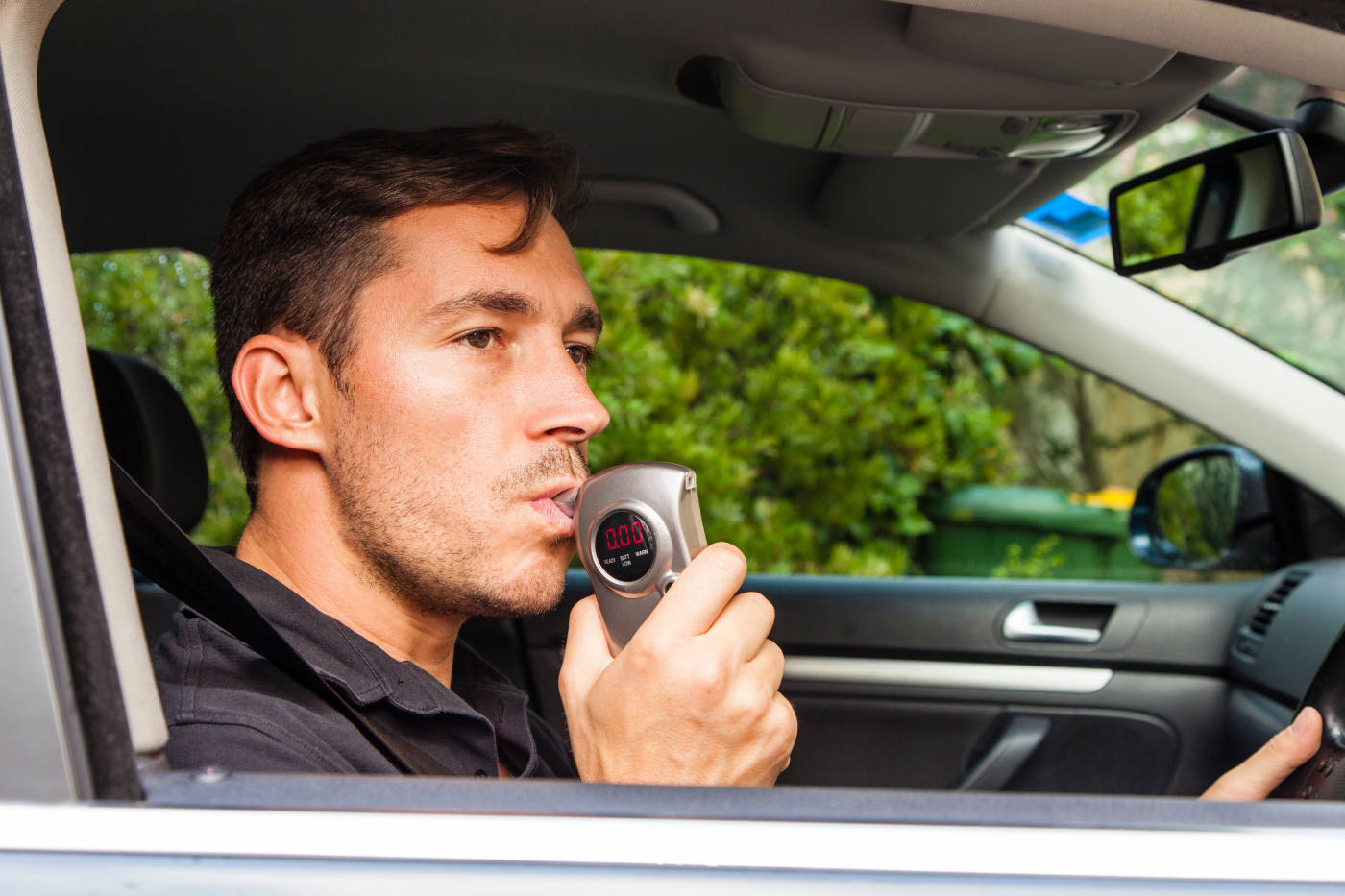
A breath test can be important evidence in a Missouri DWI case, but the result is not automatically beyond question. Missouri has rules for how breath tests must be performed, maintained, and administered.
Problems involving the device, its maintenance, the testing procedure, or the operator's qualifications may raise questions about whether the test complied with those requirements and how the result may be used in your case.
Being arrested for DWI can leave you worried about your driver's license, criminal record, and what happens next. A breath test result at or above the legal limit may make the situation feel settled before you have had a chance to understand how the test was performed. However, the circumstances surrounding the test matter.
At Briegel Whiteley Moon in Union, Missouri, we represent clients facing DWI, criminal, and traffic charges. We can review the breath test records, the officer's actions, and other evidence to identify issues that may affect your case. Contact us now to discuss your DWI charge with our attorneys.
A breath-testing device analyzes a sample of your breath to measure alcohol concentration. Missouri measures breath alcohol concentration in grams of alcohol per 210 liters of breath.
For most drivers, a chemical test showing an alcohol concentration of 0.08% or higher is prima facie evidence that the person was intoxicated when the specimen was taken. In other words, the result can provide evidence of intoxication, although other evidence may also be considered.
Missouri law also prohibits driving with an alcohol concentration of 0.08% or higher. Chemical tests must follow methods approved by the Missouri Department of Health and Senior Services (DHSS). DHSS also regulates the breath analyzers that may be used and establishes standards for the people who operate them.
Because of these requirements, reviewing a breath test involves more than looking at the number on the test result. The device, its maintenance history, the operator, and the testing procedure may all be relevant.
Missouri requires breath-testing devices to undergo regular maintenance checks. A qualified permit holder must generally perform a maintenance check at least once every 35 days. Additional checks are required when a new instrument is placed into service or after an instrument has been serviced, repaired, or recalibrated.
When we review a breath test result, we can examine the available maintenance information to determine whether the device was checked as required and whether the records raise concerns about its operation. Upon request, Missouri law also allows the person tested to obtain certain information about the test result, including the date of the instrument's most recent maintenance.
A maintenance issue does not automatically mean that a breath test will be excluded. However, the device's maintenance history can be important when evaluating whether the test complied with Missouri's requirements and whether there is a basis to challenge the result.
Even when the device itself was working properly, how the test was administered matters. Missouri requires breath analyzers to be operated according to DHSS procedures. The operator must also complete the appropriate operational checklist for the test.
One important requirement is a continuous observation period of at least 15 minutes before the breath sample is provided. During this period, the operator must remain close enough to reasonably determine through sight, hearing, or smell that you do not smoke, vomit, or have anything enter your mouth. The officer does not have to watch you continuously without looking away.
This observation period allows alcohol that may be present in the mouth to dissipate, so it does not affect the accuracy of the test. Our trusted DWI defense attorneys in Missouri can review available records and video to determine whether the officer followed the required procedure and whether any issues may affect the breath test evidence.
Missouri requires a person performing a breath analysis to be licensed medical personnel or to possess a valid DHSS permit for that purpose. This permit is valid for two years. Permit holders may perform only the tests and operate or maintain the breath analyzers authorized by their permits.
We can review the operator's permit and the testing records to determine whether the person was authorized to operate the type of breath analyzer used in your case. We can then consider any permit issues along with concerns regarding the device, maintenance, or testing procedures.
Even if there is a valid reason to challenge the breath test, that does not necessarily end a DWI case. Missouri law allows other competent evidence to be considered when determining whether a driver was intoxicated.
Depending on the circumstances, that evidence may include the officer's observations, field sobriety test results, statements, and available video. As part of your DWI defense, we can consider this evidence along with any problems involving the breath test to determine how those issues may affect the state's case.
A breath test result can play a significant role in a DWI case, but the number itself does not tell the entire story. The device's maintenance, the operator's qualifications, the testing procedure, and other evidence from the stop may all be relevant when evaluating the state's case.
At Briegel Whiteley Moon in Union, Missouri, we represent people facing DWI charges and other criminal and traffic offenses throughout Franklin County, Crawford County, Phelps County, Gasconade County, St. Louis County, and Osage County. We can review the breath test results and other evidence, explain the issues that may affect your case, and defend you against the charge. Contact us today to schedule a consultation.