What Is Probable Cause in Missouri and Why It Matters

When flashing red and blue lights appear in your rearview mirror, or when police officers knock loudly on your front door, your heart immediately starts racing. It's completely natural to experience a wave of fear, confusion, and deep anxiety during any interaction with law enforcement.
You might feel entirely powerless, wondering how a single moment could alter the course of your future, your career, and your family life. As criminal defense lawyers in Union, Missouri, we know how heavy this burden feels, and we believe that nobody should have to stand alone against the massive power of the state when their liberty is on the line.
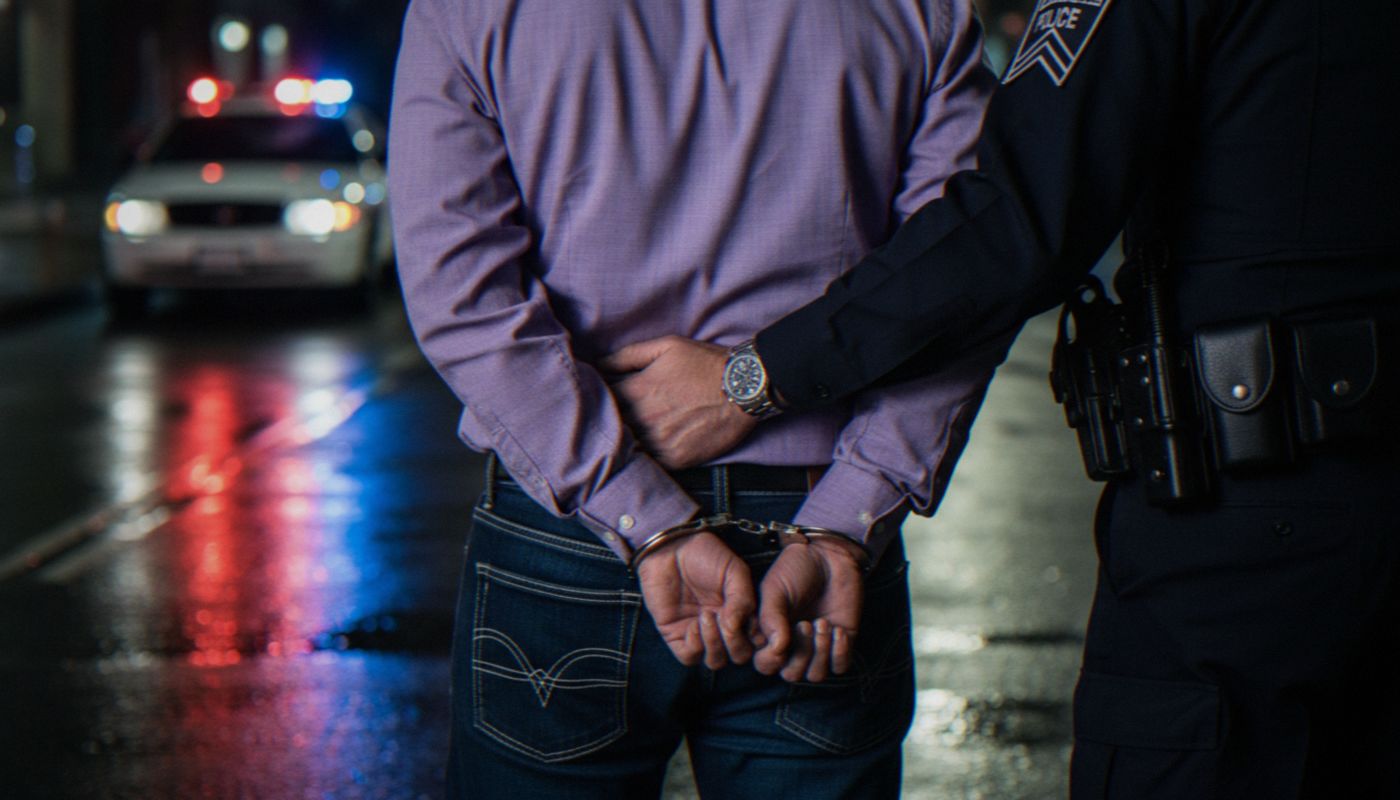
To fully grasp how your rights are protected under the law, you must look closely at the constitutional standard known as probable cause. In Missouri, this standard calls for concrete, objective facts that would lead a reasonable person to believe a crime occurred and that you were the individual who committed it.
Without these specific facts, law enforcement officers simply don't have the legal authority to search your property or place you under arrest. Our criminal defense lawyers carefully evaluate every single piece of evidence to determine if the state actually met this standard.
When officers act on assumptions rather than verifiable facts, they violate the protections granted to you by both the United States Constitution and the Missouri Constitution.
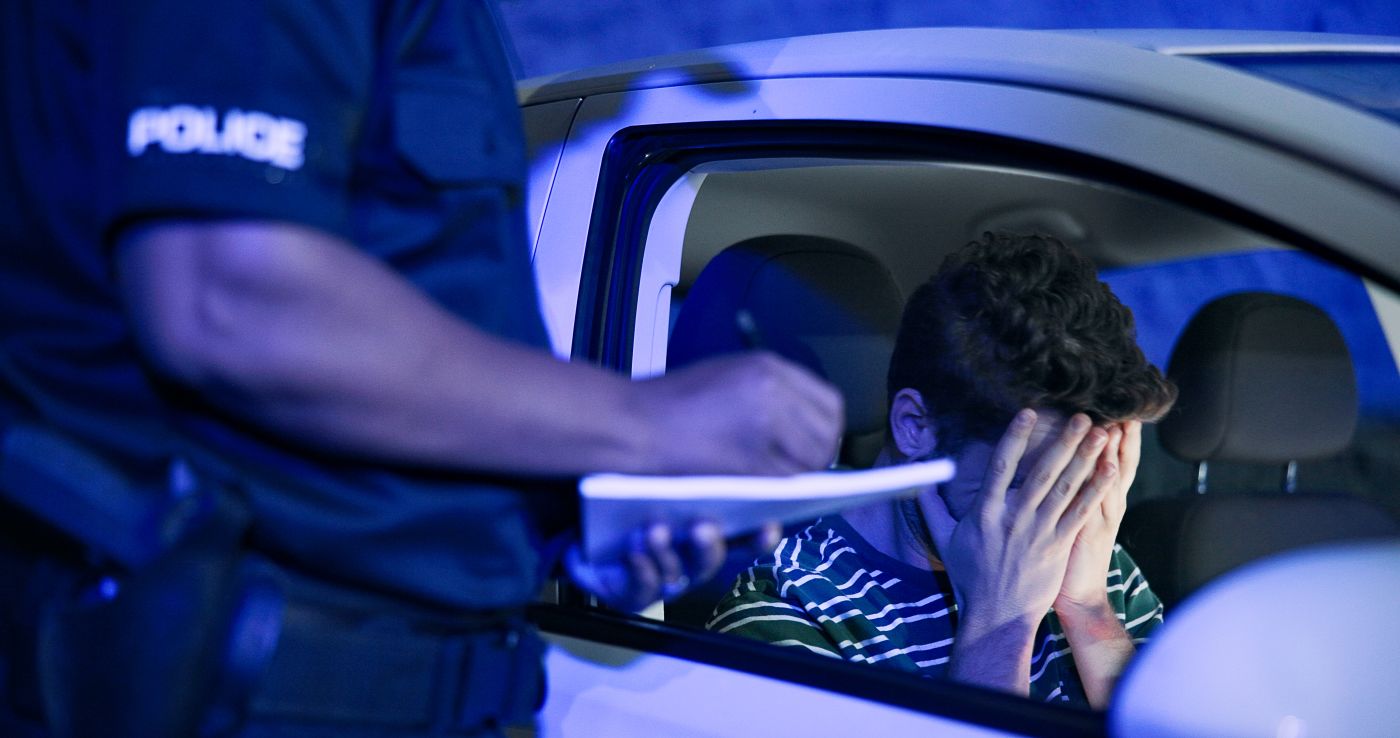
Traffic stops represent the most common scenarios where citizens encounter this legal standard, and these interactions frequently lead to more serious allegations like driving under the influence or drug possession. Officers must have a valid, articulable reason to pull your vehicle over in the first place, such as a broken taillight, speeding, or failing to signal a turn.
During these roadside interactions, officers look for specific indicators that they claim satisfy the constitutional standard for a search or an arrest. Here are the most common factors that law enforcement officers cite in their official reports:
Physical signs of impairment: These include bloodshot eyes, slurred speech, a strong odor of alcohol, or unsteady physical movements when exiting the vehicle.
Plain view observations: Open containers of alcohol, drug paraphernalia, or illicit substances sitting out on the passenger seat or center console give officers immediate cause to act.
Inconsistent answers: Making contradictory statements about your travel plans during questioning can cause officers to grow suspicious.
Admission of guilt: Admitting to an officer that you had a few drinks or that you have something illegal in the vehicle gives them instant justification to proceed with an arrest.
If law enforcement conducted a search or executed an arrest without the required legal justification, you have the right to challenge those actions. This challenge is typically raised through a formal motion to suppress evidence, which asks the judge to exclude specific physical objects, chemical test results, and even statements you made to the officers while in custody.
Filing a successful motion to suppress requires a meticulous review of the state's case and an aggressive presentation of the facts. Our criminal defense lawyers approach this process by demanding full transparency from the prosecution, including all audio recordings, video footage, and handwritten officer notes.
We cross-examine the arresting officers during pretrial hearings to expose contradictions in their testimony and highlight their lack of objective facts. Our goal is to demonstrate that the officers acted outside the bounds of their authority. Without suppressed evidence, the state frequently can find no viable path forward, which can lead to the dismissal of your charges.
We understand the deep stress, fear, and uncertainty that come with a criminal charge, and we're completely committed to helping our clients find their footing. From our office in Union, Missouri, Briegel Whiteley Moon proudly stands beside individuals throughout Franklin County, Crawford County, Phelps County, and Gasconade County during their darkest hours. Reach out to us today to schedule your consultation.